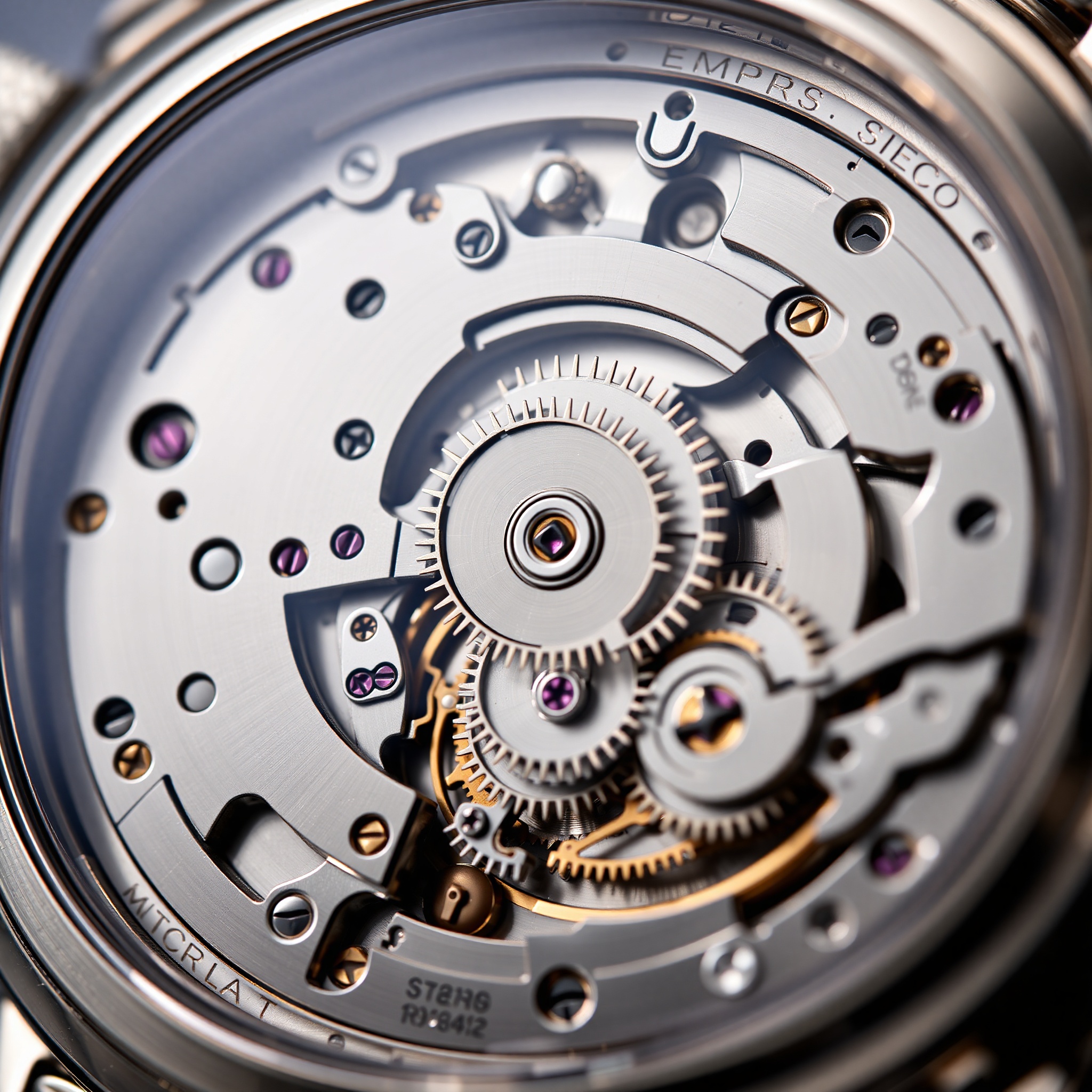
Common Watch Repairs: Crown and Gasket Replacement
Master the essential techniques for diagnosing crown issues and replacing gaskets to maintain your watch’s water resistance, functionality, and longevity. This comprehensive guide covers everything from identifying problems to professional repair solutions.
Understanding Watch Crowns: Function and Common Issues
The crown is one of the most critical components of any mechanical or automatic watch. Located at the 3 o’clock position on most watches, this small knob serves multiple essential functions that directly impact your timepiece’s reliability and water resistance. Understanding how crowns work is the first step toward effective maintenance and timely repairs.
A properly functioning crown allows you to wind your watch, adjust the time and date, and screw it back down to create a watertight seal. The crown houses a gasket—a small rubber or synthetic ring that provides this crucial waterproof seal. When either the crown or gasket deteriorates, water can infiltrate the watch case, potentially causing rust, corrosion, and movement damage.
Signs Your Crown Needs Attention
- Difficulty turning: If the crown feels stiff, gritty, or resistant when winding or adjusting time, internal corrosion or debris accumulation may be present.
- Water entering the case: Visible moisture, fogging, or condensation inside the crystal indicates a compromised seal.
- Crown sitting loose: A crown that wiggles or doesn’t sit flush suggests wear in the threads or seal.
- Stripped threading: If the crown won’t screw down properly or spins freely, the internal threads may be damaged.
- Corrosion or discoloration: Visible rust, discoloration, or oxidation on the crown exterior suggests internal moisture problems.
The Gasket Replacement Process: Step-by-Step
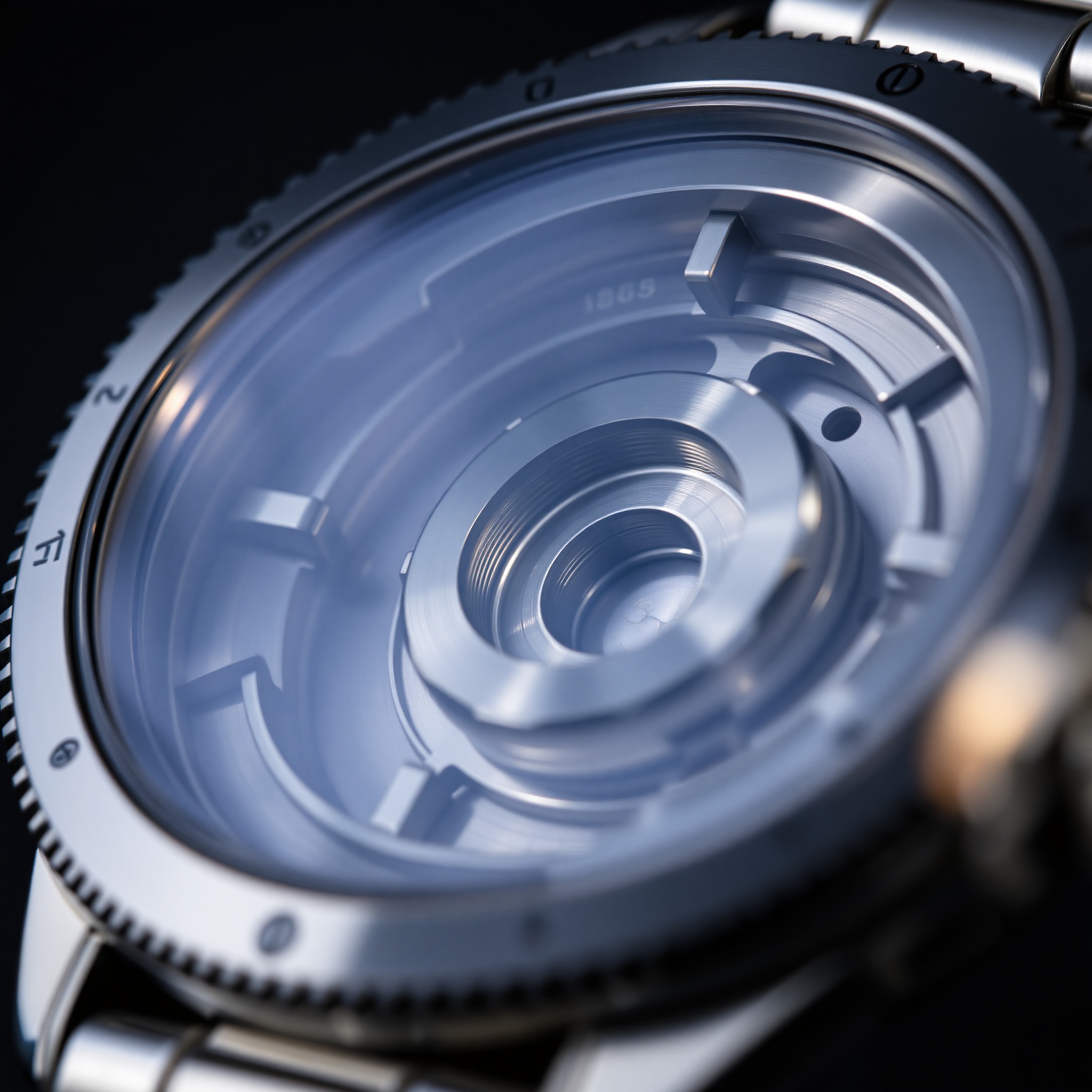
Gasket replacement is one of the most common and affordable watch repairs, yet it’s remarkably effective at restoring water resistance. The gasket is a small ring made of rubber, silicone, or synthetic material that sits inside the crown and creates the watertight seal when screwed down. Over time, these gaskets deteriorate from temperature fluctuations, exposure to salt water, and general aging.
Case Opening and Crown Removal
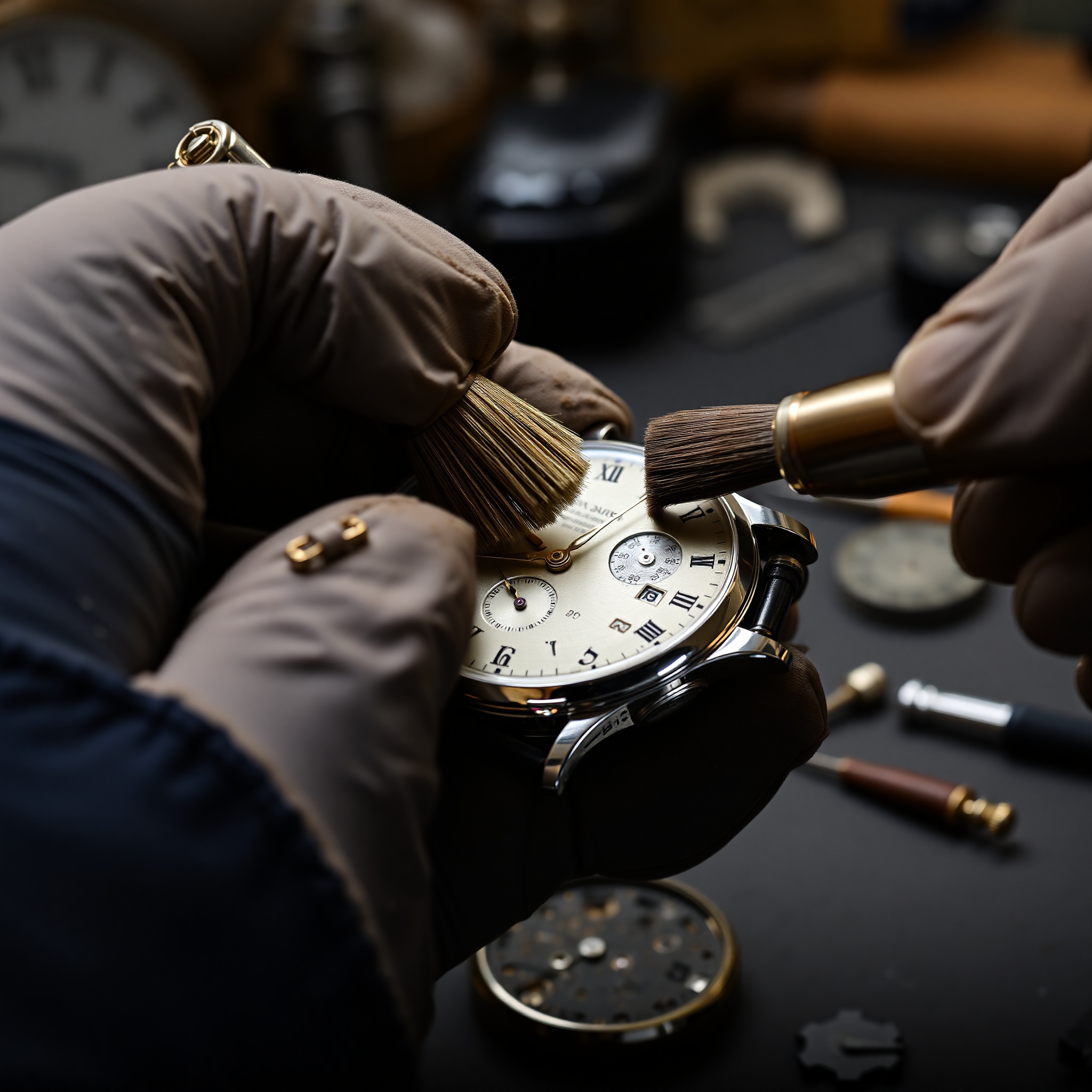
Professional watchmakers use specialized case opening tools to carefully open the watch without damaging the case back. The crown is then unscrewed completely and removed for inspection. This step requires precision and proper equipment to avoid scratches or damage to the watch case.
Crown and Tube Inspection
Once removed, the crown and crown tube (the threaded post inside the case) are carefully examined. Watchmakers look for corrosion, stripped threads, and damage to the gasket seat. Any debris or oxidation is gently cleaned using appropriate solvents and specialized tools.
Old Gasket Removal
The deteriorated gasket is carefully extracted from its seat. Depending on its condition, it may crumble easily or require careful prying with specialized tools. The gasket seat is then cleaned thoroughly to ensure the new gasket sits properly and creates an optimal seal.
New Gasket Installation
A new gasket of the correct size and material is selected and carefully installed. The gasket must fit snugly in its seat without being forced. Many watchmakers apply a thin layer of waterproof grease to ensure proper sealing and to protect the gasket from premature deterioration.
Crown Reinstallation and Testing
The crown is carefully screwed back onto the watch case. Proper torque is critical—too tight can strip threads, too loose won’t create a seal. After assembly, the watch undergoes water resistance testing to confirm the seal is effective and the watch is ready for daily wear.
Crown Replacement: When Gasket Replacement Isn’t Enough
While gasket replacement addresses most water infiltration issues, sometimes the crown itself needs replacement. Stripped threads, broken components, or severe corrosion can make a crown unrepairable. Crown replacement is more involved than gasket replacement and typically costs 50-150 depending on the watch model and crown complexity.
When Crown Replacement Is Necessary
Several conditions warrant complete crown replacement rather than simple gasket renewal. Understanding these situations helps you make informed decisions with your watchmaker.
Stripped Threads
Internal threading damage prevents the crown from sealing properly. The crown spins without tightening, creating an unreliable seal that compromises water resistance permanently.
Broken Components
Cracked crown bodies, broken stems, or damaged winding mechanisms cannot be safely repaired. Replacement ensures reliability and prevents further damage to internal watch components.
Severe Corrosion
Extensive rust or oxidation indicates the crown material has degraded significantly. Replacement is safer and more effective than attempting restoration of compromised components.
Lost Water Resistance
When multiple gasket replacements fail to restore proper sealing, the crown itself may be warped or damaged beyond gasket repair, requiring full replacement.

Prevention Strategies: Extending Crown and Gasket Life
The best watch repair is the one you never need. By implementing proper care and maintenance habits, you can significantly extend the lifespan of your crown and gasket, reducing repair frequency and maintaining your watch’s water resistance and reliability.
Gentle Handling
Treat the crown with care—avoid excessive force when winding or adjusting. Never force a stuck crown, as this can strip internal threads. If resistance is encountered, consult a professional rather than forcing the mechanism.
Water Exposure Management
Always ensure the crown is fully screwed down before water exposure. Remove your watch during showers, swimming, or water sports unless it’s specifically designed for diving. Even water-resistant watches benefit from minimized unnecessary water contact.
Temperature Protection
Extreme temperature fluctuations accelerate gasket deterioration. Avoid exposing your watch to rapid temperature changes, such as moving from cold outdoor air to hot water. Store watches in stable, moderate temperature environments.
Chemical Avoidance
Keep your watch away from perfumes, cosmetics, cleaning chemicals, and other corrosive substances. These can degrade both the crown material and the gasket seal. Rinse your watch with fresh water after salt water exposure.
Regular Servicing
Schedule professional servicing every 3-5 years. During servicing, watchmakers can inspect the crown and gasket, replacing them preventatively before failures occur. This proactive approach is far more cost-effective than emergency repairs.
Storage Best Practices
Store watches in dry environments with stable humidity levels. Excessive moisture accelerates corrosion, while extremely dry conditions can cause gasket shrinkage. Consider using silica gel packets in storage containers for humidity control.
Choosing a Professional Watchmaker for Crown and Gasket Work
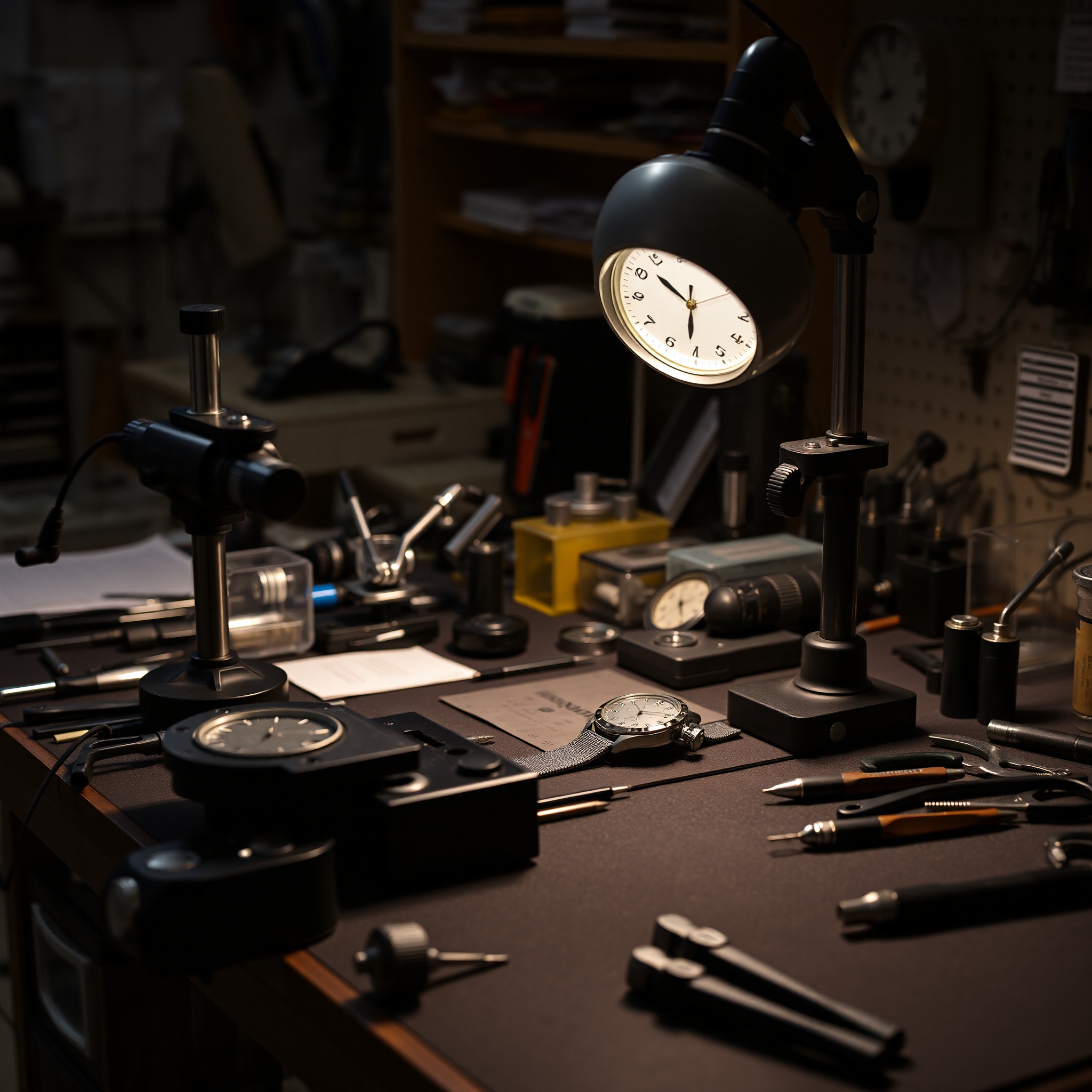
Crown and gasket repairs should always be handled by qualified professionals. The precision required, combined with the importance of proper sealing, makes DIY attempts risky and potentially more expensive if mistakes occur. Knowing what to look for in a watchmaker ensures your timepiece receives proper care.
Key Takeaways: Maintaining Your Watch’s Crown and Seal
Crown and gasket issues are among the most common watch problems, but they’re also highly preventable with proper care and attention. By understanding the function of these critical components, recognizing warning signs early, and seeking professional help when needed, you can maintain your watch’s water resistance and reliability for years to come.
- Regular gasket replacement (every 2-3 years) is affordable preventative maintenance that protects against expensive water damage
- Always ensure the crown is fully screwed down before water exposure and avoid forcing stuck mechanisms
- Professional watchmakers have the specialized equipment and expertise necessary for proper crown and gasket work
- Gentle handling, proper storage, and careful maintenance significantly extend crown and gasket lifespan
- Water resistance testing after repair confirms the seal is effective and your watch is ready for regular use
Whether you own a luxury Swiss timepiece, a vintage mechanical watch, or a modern automatic movement, proper crown and gasket maintenance is essential for long-term ownership enjoyment. With the knowledge and preventative strategies outlined in this guide, you’re equipped to keep your watch functioning flawlessly for generations to come.